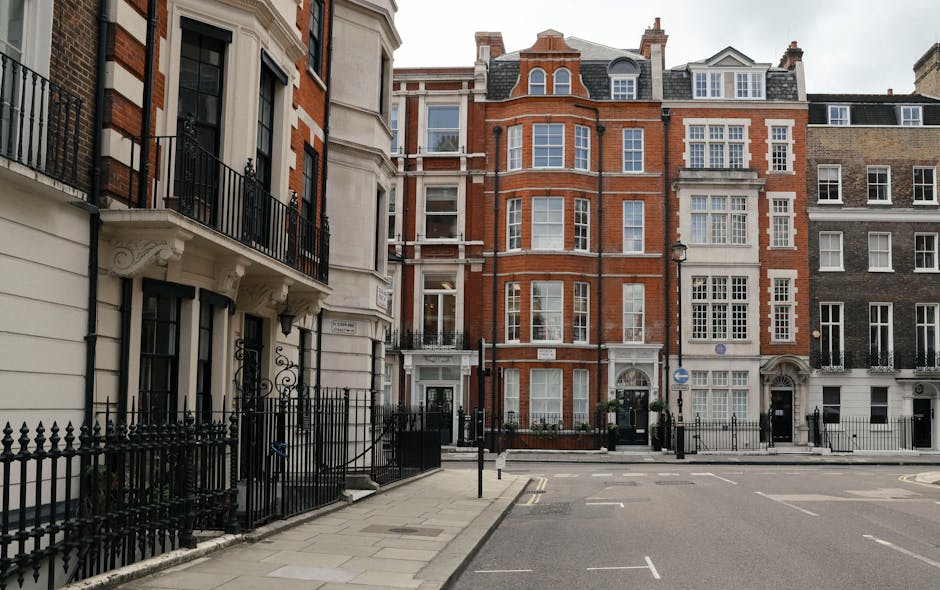
Common access problems for Knightsbridge removals and fixes

Moving in Knightsbridge can look straightforward on paper. In real life, though, it often turns into a careful puzzle of narrow streets, awkward entrances, strict parking, shared lifts, basement flats, and the occasional concierge who wants to know exactly who is arriving, when, and why. If you are dealing with Common access problems for Knightsbridge removals and fixes, this guide will help you spot the usual sticking points early and deal with them before moving day starts throwing curveballs.
The good news? Most access issues are solvable with a bit of planning, honest communication, and the right type of removal support. Let's walk through the practical side of it, from the first site check to the last box through the door. A smoother move is usually less about luck and more about noticing the tiny details before they become big ones.
Why Common access problems for Knightsbridge removals and fixes Matters
Access is not just a logistics detail. In Knightsbridge, it can shape the whole moving day. A van that cannot pause nearby, a lift that is too small for a wardrobe, or a building manager who only allows loading during a narrow time window can all slow things down fast. That means more labour time, more stress, and sometimes more risk to your belongings.
For homes, flats, and offices in the area, access problems often affect four things at once: timing, safety, cost, and convenience. A move can still be successful even if the building is difficult, but only if the team knows what they are walking into. If you are booking a flat removal in Knightsbridge or a larger relocation, the access side should be treated as seriously as the packing side. Truth be told, in many London moves, access is the moving day.
There is another reason this matters. Knightsbridge properties can be elegant but oddly impractical for removals. A grand entrance does not always mean a usable loading bay. A luxury block does not always mean generous lift space. That mismatch catches people out. Every time.
Expert summary: the biggest access wins come from measuring properly, checking building rules early, and choosing the right vehicle and crew size for the property rather than the other way round.
How Common access problems for Knightsbridge removals and fixes Works
Think of access planning as a chain. If one link is weak, the whole move can wobble. The process usually starts with understanding the property itself: is it a townhouse, mansion flat, penthouse, basement apartment, office suite, or mixed-use building? Each one creates a different kind of challenge.
Then comes the route to the property. Is there space to stop close by? Can a removal van wait safely? Is there a one-way street, a low bridge, or a narrow mews entrance? After that, you need to check the entry route inside the building: stairs, corridors, lifts, fire doors, intercoms, service entrances, and any door widths that might make a sofa or bed frame awkward.
In practical terms, the fix is usually a combination of:
- measuring large furniture before moving day
- confirming parking and loading arrangements early
- booking the right vehicle type
- asking the building for lift reservations or access windows
- using dismantling or wrapping where needed
- planning for storage if the move-out and move-in timings do not line up
If you are looking at a more flexible setup, a service such as man and van removals in Knightsbridge can help on smaller jobs, while a larger property may need something closer to full-scale house removals Knightsbridge support. Different access problems call for different tools. That sounds obvious, but people skip it all the time.
Key Benefits and Practical Advantages
Good access planning does more than prevent headaches. It makes the whole move calmer and more predictable. Here is what you gain when access is handled properly.
- Less waiting time: crews can get started without standing around looking for parking or a loading point.
- Lower risk of damage: fewer tight turns, fewer awkward lifts, fewer rushed decisions.
- More accurate pricing: if the team knows the real access conditions, there are fewer surprise additions later.
- Better building relations: no one wants to be the move that blocks a communal entrance at 8:15 on a weekday morning.
- Smoother packing and handling: the right route in and out makes it easier to protect mirrors, furniture, and boxed items.
There is also a less obvious benefit: confidence. When you know the removal team has already considered access, you stop worrying about tiny disasters. That matters more than people admit. A move is stressful enough without wondering whether the wardrobe will fit around the stairwell. If needed, extra space in storage in Knightsbridge can also reduce pressure when access or timing is not ideal.
Who This Is For and When It Makes Sense
This guide is for anyone moving in or out of Knightsbridge, but especially for people dealing with tricky buildings or tight schedules. That includes:
- flat owners and tenants in mansion blocks or conversions
- families moving into or out of townhouses
- office managers handling business relocations
- students or shorter-term renters with limited move windows
- people moving specialist items, such as pianos or large furniture
- anyone booking a same-day or late-notice move
It is especially useful if your property has no private driveway, shares access with neighbours, or sits on a street where stopping for more than a moment is difficult. For instance, one client may have a lovely apartment near a busy stretch and think "the van can just pull up outside." Then the real-world parking rules say otherwise. The morning gets complicated quickly.
If you are moving something fragile or unusually heavy, the access question becomes even more important. A specialist move such as piano removals Knightsbridge needs much more than a basic lift-and-carry plan. The same applies to bulky furniture and awkward antiques.
Step-by-Step Guidance
1. Inspect the route before moving day
Start outside the property. Where can the vehicle stop? Is the road wide enough for loading? Is there a pavement bottleneck, a bend, a gate, or a shared forecourt that will limit movement? A five-minute walk around the block can reveal issues that do not show up in photos. It is a boring step, yes, but a very useful one.
2. Measure the big items and the narrow points
Do not just measure the sofa. Measure the door frames, stair turns, hallway width, lift dimensions, ceiling height, and the angle at which furniture has to move. A bed base that fits in theory can still fail at the landing if the staircase is tight. That is where people get stuck, standing there with a tape measure and a slightly haunted expression.
3. Check building rules and booking requirements
Many Knightsbridge buildings have access procedures. Some want advance notice, some have lift booking windows, and some require protective coverings for shared spaces. Ask about service entrances too. If there is a loading bay, find out how it is used and whether the removal crew needs permission or a temporary permit.
4. Match the vehicle to the access conditions
A larger vehicle is not always better. In a narrow street or tight mews, a smaller van may be easier to position and less disruptive. For some moves, a removal van in Knightsbridge gives the best balance of capacity and manoeuvrability. For others, especially office or multi-room relocations, a bigger crew and vehicle plan is the safer choice.
5. Decide what needs dismantling or special handling
Wardrobes, desks, shelving, and bed frames often move better in pieces. If access is tight, dismantling can be the difference between a clean exit and a blocked staircase. For more delicate or oversized pieces, it may be better to use dedicated furniture removals support rather than treating everything as standard boxes and bags.
6. Build in timing slack
Knightsbridge traffic and building restrictions can chew through time faster than expected. Leave a margin. If you think you need forty minutes to load, plan for an hour. If you need to vacate the property by noon, try not to leave the final lift until 11:40. Small buffer, big difference.
7. Have a backup plan
Sometimes the access problem is not solved in the first attempt. Maybe a lift fails. Maybe a delivery van is already in the loading spot. Maybe the route inside is narrower than described. A backup plan could mean a second parking option, a temporary storage arrangement, or a different sequence for loading. That extra flexibility is what keeps the move from spiralling.
Expert Tips for Better Results
After plenty of moves where access looked simple and then... well, wasn't, a few habits stand out.
- Send photos and measurements early. A good removal planner can spot trouble from a hallway shot, a stair photo, or a picture of the entrance.
- Ask the building about weekday and weekend rules. Some access windows are tighter than people assume.
- Use colour-coded labels for rooms and priority items. When the route is awkward, organised boxes save time.
- Protect walls and bannisters before lifting the first item. A tight corridor and a careless corner do not mix well.
- Keep essentials separate. If there is any access delay, you will still want chargers, documents, water, and a small tool kit.
- Choose the right removal style for the job. A smaller move may suit man with a van Knightsbridge, while a full relocation might need a more complete service package.
One practical point many people miss: access is not only about the front door. Internal building access can be just as restrictive. If you have a very deep property, multiple staircases, or a lift shared with residents, the loading sequence needs to be planned backwards from the exit.
Also, if you are moving on a busy day in Knightsbridge, keep the hallway as clear as possible. A half-packed corridor can slow everything down. It sounds minor. It is not minor.
Common Mistakes to Avoid
The same errors show up again and again. Avoid these and you already improve your odds.
- Assuming the van can park outside. Never rely on guesswork in a dense central London location.
- Ignoring lift size. Residential lifts can look generous and still fail to take larger items safely.
- Forgetting about concierge or building approval. If the building expects pre-booked access, leaving it to the day is asking for trouble.
- Not measuring bulky items properly. A few centimetres can make a real difference.
- Choosing the wrong service level. Small moves and complex moves are not the same thing.
- Packing in a rush. Loose boxes, weak tape, and overfilled bags make awkward access even harder.
- Failing to plan for delays. A move that runs late can cascade into missed elevator slots and extra waiting.
There is a slightly funny pattern here: people often spend ages choosing a sofa colour and about thirty seconds thinking about how that sofa gets out the door. Not ideal, really.
Tools, Resources and Recommendations
You do not need a huge toolkit, but a few sensible items make access-heavy moves much easier.
- Measuring tape: for furniture, doors, stairs, and lift openings.
- Floor plan or rough sketch: even a hand-drawn layout helps.
- Furniture blankets and protective wraps: useful for tight hallways and shared entrances.
- Labels and marker pens: help keep priority boxes close to hand.
- Basic toolkit: for dismantling beds, tables, or shelving.
- Photo set of the property: entrance, lift, stairs, loading point, and any awkward corners.
For many customers, the most practical next step is to review the full range of support offered through services overview and then decide whether the move needs a standard crew, a compact van, storage, or a specialist approach. If you are comparing options, the pricing and quotes page is a sensible place to understand what information will be needed for an accurate estimate.
When there is uncertainty about timing or access, some people also look at same day removals in Knightsbridge. That can be useful in urgent situations, though it still works best when access details are clear from the start.
Law, Compliance, Standards, or Best Practice
Access planning is not only about convenience. In the UK, moving teams and customers should also think about safety, building rules, and general duty of care. That means keeping communal areas clear where possible, avoiding unsafe lifting, and respecting instructions from building management. If a property has a managed entrance or concierge system, it is best to follow the building's procedures rather than trying to improvise on the day.
There are also practical best practices around insurance, item handling, and health and safety. If a move involves stairs, narrow turning spaces, or very heavy furniture, the risk of damage or injury rises. That is why it makes sense to use a team that takes insurance and safety seriously and works to a clear health and safety policy. It is not about paperwork for the sake of paperwork. It is about keeping people and property protected.
For customers comparing providers, a transparent terms and conditions page and a clear complaints procedure can be reassuring too. If anything does go wrong, you want to know where you stand. That should be normal, not a bonus.
Options, Methods, or Comparison Table
Different access problems call for different moving methods. Here is a simple comparison to help you think it through.
| Access scenario | Best-fit method | Why it works |
|---|---|---|
| Short walk from van to entrance, light load | Man and van | Flexible, quick, and efficient for smaller volumes |
| Narrow road or mews with little stopping space | Smaller removal van or split-load plan | Easier to position and less likely to block access |
| Top-floor flat with tight stairs | Full removal crew with packing support | Extra hands reduce risk and speed up carrying |
| Bulky furniture or specialist items | Specialist furniture or piano handling | Protects items and reduces handling problems |
| Moving out before the new place is ready | Storage plus staged delivery | Removes pressure when dates or access windows do not line up |
There is no one-size-fits-all answer here. A move can be tiny in volume but awkward in access, or huge in volume but simple because the entrance and parking are easy. That distinction matters more than people expect.
Case Study or Real-World Example
Picture a typical Knightsbridge flat move. The property sits above street level, the lift is compact, the hallway bends sharply near the front door, and the building only allows loading during a fixed morning window. On paper, it sounds manageable. In practice, it needs a plan.
In that sort of situation, the best approach is usually to pre-measure the largest items, confirm the lift booking, and arrange the van so that it arrives a little early rather than right on the minute. The removal team may decide to send smaller loads down first, leave one bulky item dismantled until last, and keep protective covers on the route from the lift to the entrance. Nothing dramatic. Just careful work.
Where the move gets easier is in the preparation. If the customer has already separated essentials, labelled boxes clearly, and warned the building porter about the schedule, everything tends to flow better. The crew does less waiting, the resident neighbours are less irritated, and the final handover feels calm. Not glamorous. Just good logistics.
A similar pattern comes up in office relocations too. A business moving from Knightsbridge can be delayed by reception procedures, lift bookings, and shared access with other tenants. In that setting, office removals Knightsbridge planning becomes less about heavy lifting and more about sequencing: who moves first, which rooms clear first, and what has to stay operational until the end.
Practical Checklist
Use this checklist before moving day. It is simple, but it catches most access surprises.
- Measure all major furniture and note the widest point
- Check door widths, stair turns, and lift dimensions
- Confirm whether there is a loading bay or nearby parking option
- Ask the building about access windows and booking requirements
- Warn the concierge or porter if one is involved
- Choose the right vehicle size for the street and property
- Decide what should be dismantled before the move
- Keep fragile and urgent items separate
- Prepare protective materials for walls, floors, and bannisters
- Allow extra time for traffic, building procedures, and delays
- Have a backup storage or re-delivery plan if dates shift
Quick takeaway: if you can describe the access route clearly before the move starts, you are already ahead of most people.
Conclusion
Common access problems for Knightsbridge removals are rarely about one huge obstacle. More often, they are a chain of smaller ones: awkward parking, tight internal spaces, building rules, narrow lifts, and timing pressures all stacked together. The fix is to treat access as part of the move itself, not an afterthought.
That means measuring carefully, asking better questions, choosing the right vehicle, and planning for the building as it really is, not as you hope it might be. Do that, and even a difficult move becomes very manageable. A bit of patience helps too. So does a calm cup of tea after the boxes are in. Honestly, you will have earned it.
For anyone moving in Knightsbridge, a little preparation goes a very long way. And when in doubt, it is always better to ask one more practical question now than to discover one awkward staircase later.
Get a free quote today and see how much you can save.
Frequently Asked Questions
What are the most common access problems during Knightsbridge removals?
The most common issues are limited parking, narrow streets, small lifts, tight staircases, controlled building access, and restricted loading times. In many cases, more than one of these applies at once.
How do I know if my furniture will fit through the entrance?
Measure the widest part of the item and compare it with the narrowest door, stair turn, or lift opening on the route. If the margins are tight, plan to dismantle the item or use specialist handling.
Should I book a bigger van just in case?
Not always. In Knightsbridge, a bigger van can be harder to position and may create more access issues. The better choice is usually the vehicle that suits both the volume and the street layout.
What if my building has a strict moving policy?
Follow it closely and share the rules with your removal team early. Some buildings require advance booking, protective coverings, or access confirmation before moving day.
Can a man and van service handle access problems?
Yes, for smaller or simpler moves. If the property is especially awkward, though, you may need a more complete removal service with additional staff, packing help, or storage.
Is storage useful if access is difficult?
Very often, yes. Storage can help if completion dates do not line up, if bulky items need to move in stages, or if the new property is not ready for everything at once.
How early should I check access details before moving?
As early as possible. Ideally, confirm the route, parking, lift, and building rules once you know the move date. Leaving it until the final week can make the job harder than it needs to be.
Do I need special help for a piano or large artwork?
Yes, specialist items should be handled separately. They often need more protection, more planning, and careful movement through tight spaces. A general move team may not be the best fit.
What should I tell the removals team about access?
Give them the street conditions, parking limits, entrance type, lift size, stair layout, any building restrictions, and whether there are fragile items or especially large pieces.
Can access problems increase the cost of a move?
They can, because awkward access may take more time, extra staff, or additional equipment. Clear information upfront helps keep pricing more accurate and reduces surprise charges.
What if the van cannot stop outside the property?
The team may need to use a nearby legal stopping point, split the load, or bring items in stages. That is why access planning matters so much in central London.
Are same-day removals a bad idea if access is tight?
Not necessarily, but they leave less room for planning. If you need urgent help, make sure the access details are shared clearly so the team can prepare properly from the start.
Sometimes the smallest bit of planning saves the whole day. That's the real trick, really.